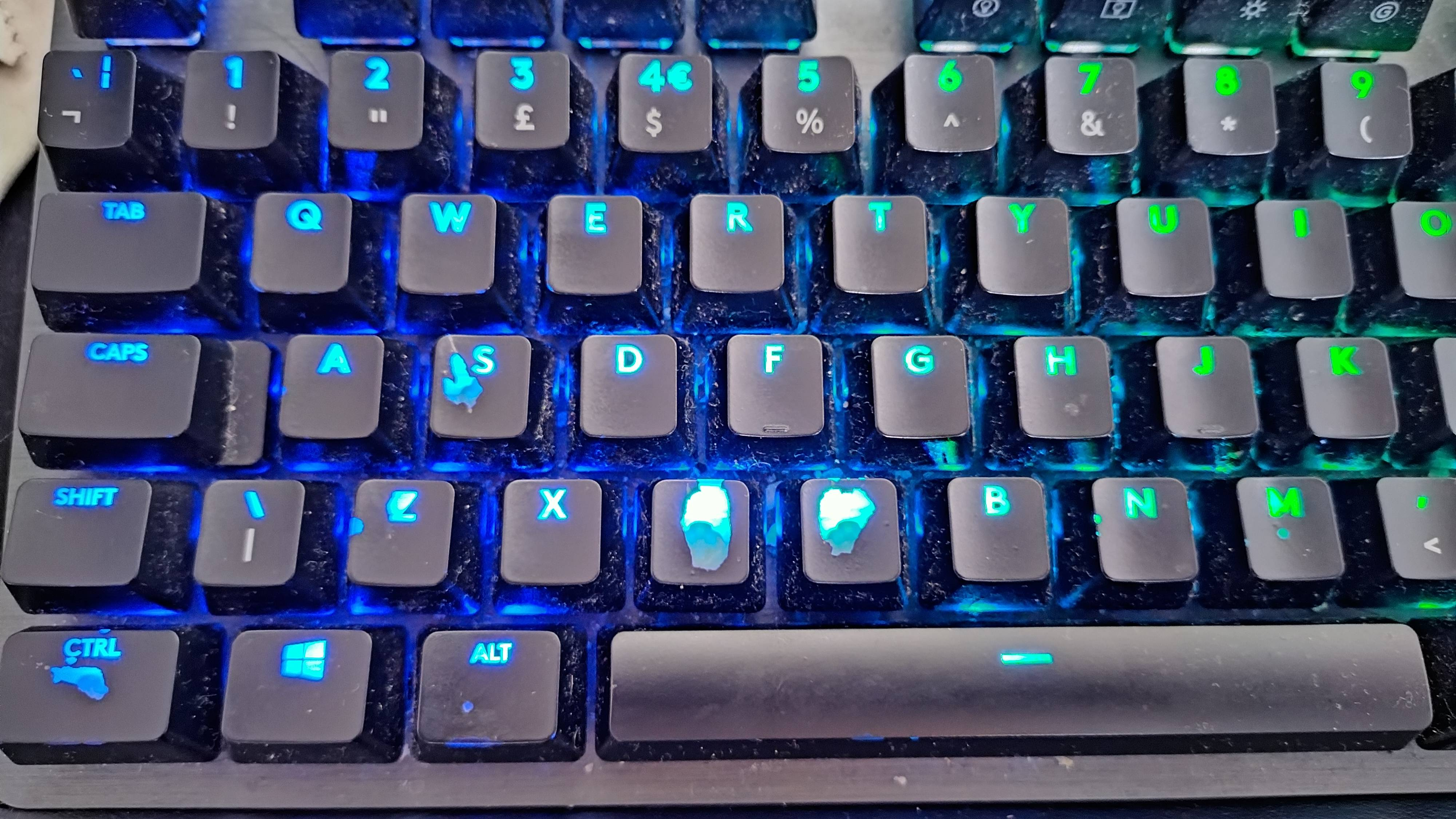
If you're a developer in 2026, your most worn-out key is probably Tab — not from indenting code, but from accepting AI completions. Vibe coding went from a buzzword to a daily reality fast. But here's what many people miss: AI coding isn't just a codeless tool for people who don't know how to program. It has quickly become an essential tool for professional software engineers. We use it in nearly all of our projects.
LeetCode Had Its Moment
For years, platforms like LeetCode played a central role in how professional software engineers sharpened their skills — algorithmic thinking, data structures, problem decomposition. That era is fading. Even the hardest LeetCode problem can be solved by copying the problem description into ChatGPT, Claude, or similar tools. The skills those platforms trained are no longer the bottleneck.
AI Coding Is a Different Skill
On the other hand, coding with AI requires a significantly different set of skills. AI doesn't magically solve your problems. You need to feed it the right context — because context fades, and models lose track of what matters. Sometimes AI generates wrong code, partly due to its own limitations, partly because our specifications are vague. Knowing how to prompt effectively, evaluate output critically, and iterate when things go sideways — all of this takes time and practice to develop.
Introducing AI Coding Gym
These concerns are exactly what led us to build AI Coding Gym — a platform of task-based challenges designed to sharpen how you work with AI. We currently offer two types of challenges, with more coming in the next few weeks.
LeetCode Challenges
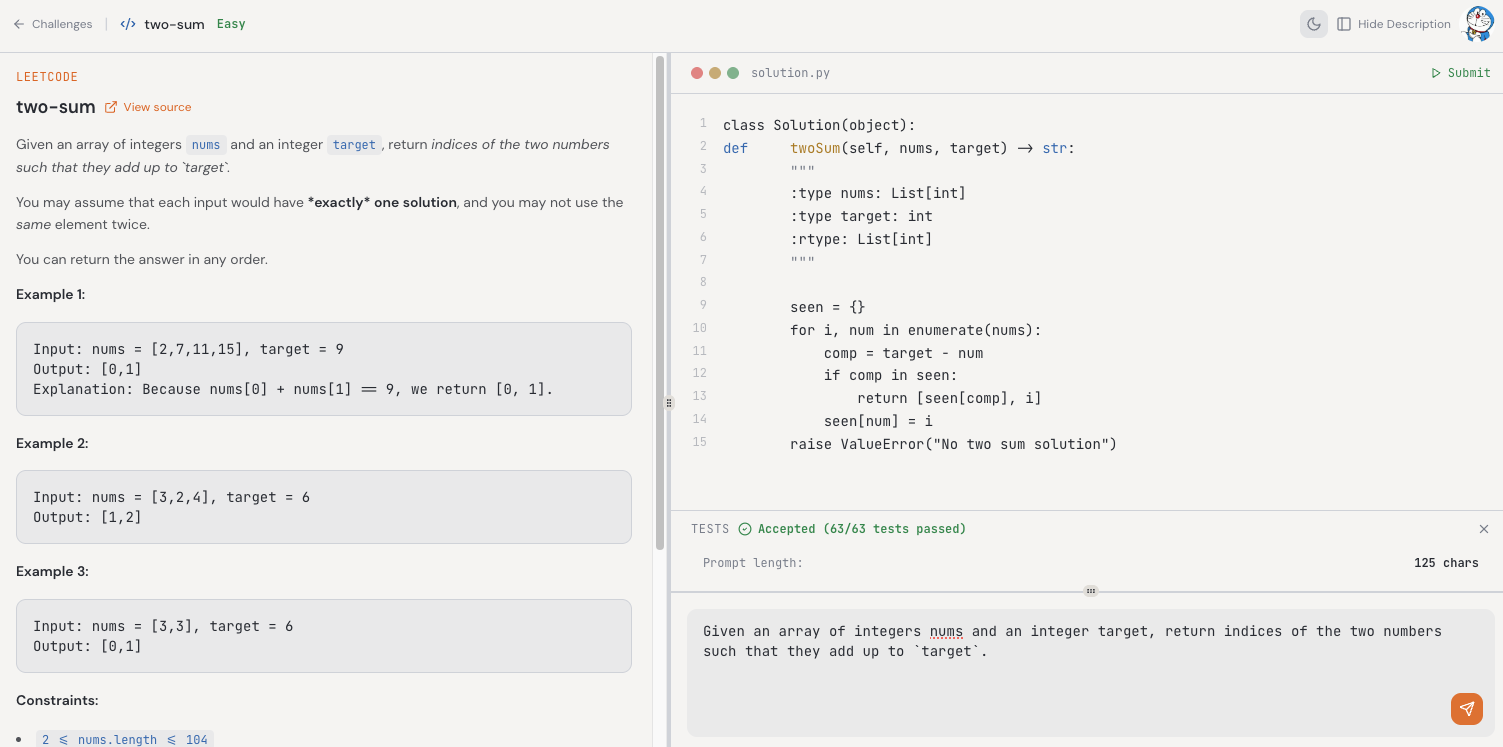
We include a small sample of classic LeetCode problems. Yes, these are trivial for AI nowadays — and that's the point. They're a great starting exercise to understand the power of AI-assisted coding. Try to solve them with the shortest prompt possible. You might be surprised how little it takes.
Human-SWE-Bench: The Main Event
Our flagship challenge type is called Human-SWE-Bench, inspired by SWE-bench — the industry-standard benchmark for evaluating how well AI can solve real-world GitHub issues. Frontier models have made impressive progress on SWE-bench, with top scores reaching around 40-45% on SWE-bench Pro. But that means the majority of real-world issues still stump even the best AI agents working alone.
We took the challenges that the latest AI models still fail, manually validated them with our team, and turned them into challenges for you to hack — with AI as your co-pilot. Here's how it works:
- Download the code for a real open-source project.
- Analyze the codebase with your favorite AI model — Claude, GPT, whatever you prefer.
- Diagnose and fix the issue using AI agent features, code search, and your own judgment.
- Submit your changes. We'll tell you whether your fix passes the unit tests designed for the task.
It's like solving a puzzle. Each challenge involves the kind of work you actually do on real-world codebases: guessing what the issue is, reproducing the problem, locating the relevant code. Conventionally, all of this requires significant domain expertise and deep familiarity with the codebase. But with the help of AI, we've found that most of us can solve an issue in around 40 minutes after a few rounds of practice.
Try It
AI coding is a skill. Like any skill, it gets better with deliberate practice. We built AI Coding Gym to give you a place to do exactly that.
Give it a try at aicodinggym.com — and see how you stack up against the machines.